In Australia, swimming is one of the most important skills a child must learn. But what do you do when your child is scared of the water? Or simply hates swimming lessons? Sometimes young children fear water, leaving parents frustrated and anxious. You can feel helpless wondering how you can help them overcome their anxieties. The good news is children almost always overcome their fear and will grow out of being nervous swimmers.
You should find a swim school with shallow, warm water, ledges where children can sit and feel safe, and teachers who are engaging, patient and use positive reinforcement. As for things you can do, here are six steps to help nervous swimmers.
-
Find the source of anxiety
If your youngster avoids the water, there’s probably a good reason for it. They might not enjoy being splashed, they might have witnessed other children having trouble in the water, or they might even have watched a scary shark movie. If your child is old enough to talk, have a conversation with them about how they feel about the water to find out if there is a deeper cause for their fear. Knowing what is at the heart of the fear will help you ease the anxiety and reassure them.
-
Don’t force them
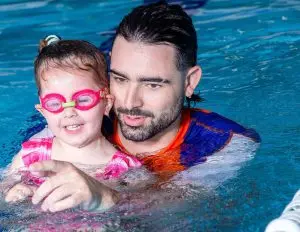
While you should encourage your youngsters to engage in the water, never ever force them. There is a big difference between encouraging and “making” a child go into the water. Forcing them is likely to backfire and make them more likely to become a nervous swimmer. Use baby steps and small victories as stepping stones to help your child become confident in the water. If your child just sits by the pool with their feet in the water or only wants to go in with you, this is still progress and should be seen as a win. As they become more familiar with the water they will build up courage to eventually fully submerge themselves and begin learning how to swim.
-
Ease into the water
Start out slowly when your kids are ready to be introduced to the water. Start by placing their feet in the water while sitting or standing on the first step of the stairs. Perhaps engage in some deep breathing exercises to relax their body. Increase the water depth over the upcoming weeks as they become more comfortable until submerged at shoulder height. Once your child is comfortable with being in the water, then they can learn to float on their backs and submerge their head into the water. This is the best way to ensure they don’t become nervous swimmers!
-
Positive reinforcement, encouragement and repetition
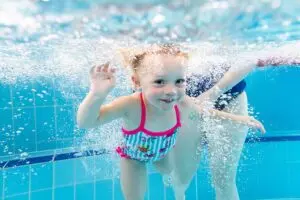
Your youngster should feel more at ease if you continue to praise them and reassure them that they are safe. As Carlile swimming director Richard Cahalan says, “Children thrive on positive reinforcement, encouragement and repetition. We all do. Learning to swim can be a challenge but it’s also fun, and social, it benefits both physical and emotional wellbeing. ”
-
Start swimming from an early age
Babies typically splash around in the bathtub or pool without ever realising that they should be afraid of water. After-all they spent nine months in the womb surrounded by water, it’s a soothing comfortable feeling. However, it’s common for children to start to develop a fear of water as they become older. That’s why Carlile recommends that children start lessons as soon as possible to avoid that fear and become comfortable with the water. Find out more about swimming lessons for babies here.
-
Games
If your child is a nervous swimmer and hasn’t had much experience with water, introducing them to a pool may be overwhelming for them. Make your child feel more at ease by using entertaining water games and toys, which will create a sense of fun and reduce their fear of water.
To find out more about how swimming builds confidence in children click here.